Complete Construction Solutions for Every Undertaking
Comprehensive building support are required for the efficient control of any building project. They facilitate smooth cooperation across all segments, ensuring good interaction and coordination among teams. This technique not only limits delays but also maximizes adherence to budgets and timelines. As involved parties seek higher quality outcomes, learning about the various available services becomes increasingly key. What specific elements contribute to a project's triumph, and how can they be effectively implemented?
Why Complete Construction Project Solutions Are Crucial
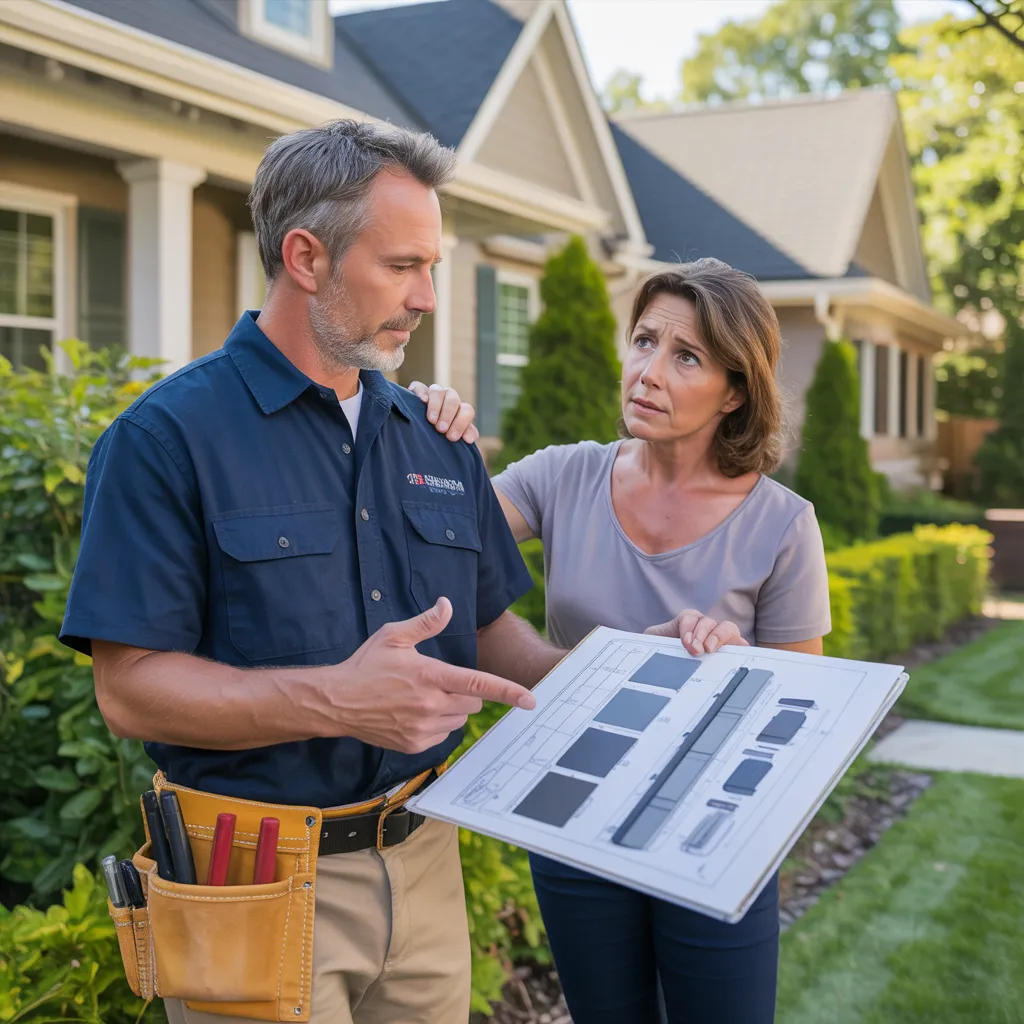
Thorough building solutions are crucial because they optimize the building process, ensuring that all project phases are integrated effectively. These services include a range of activities, including planning, design, and execution, which contribute to the overall success of a project. By coordinating various teams and resources, extensive construction services reduce the likelihood of misunderstandings and delays.
Additionally, they facilitate dedication to timeframes and fiscal constraints, managing conceivable obstacles proactively. This degree of coordination fosters a unified workspace, permitting stakeholders to converse forthrightly and optimally.
Furthermore, comprehensive solutions guarantee compliance with local regulations and safety standards, reducing risks linked to construction activities. Overall, the incorporation of thorough construction services enhances project quality, resulting in durable and eco-friendly outcomes. In an industry where precision matters, such services deliver the necessary framework for attaining client satisfaction and meeting project goals.
Vital Building Solutions for Property Owners
Homeowners seeking to improve their living spaces can gain substantial advantages from essential construction services tailored to their unique circumstances. These services encompass a range of offerings, comprising remodeling, renovations, and repairs, which allow homeowners to change outdated areas into stylish, useful spaces. Kitchen and bathroom remodels often generate substantial financial gains, improving both aesthetics and utility.
Furthermore, exterior services like roofing and siding repairs ensure the home remains safe and visually appealing. Yard design and outdoor living improvements establish inviting environments for leisure and entertainment.
Homeowners can also take advantage of energy-efficient upgrades, which reduce utility costs while advancing environmental responsibility. By hiring experienced contractors, homeowners can manage the intricacies of construction projects with ease, ensuring compliance to examine guide local regulations and timelines. Overall, these crucial solutions enable property owners to achieve their goals, ultimately enhancing property value and quality of life.
Essential Services for Commercial Construction
Within the sphere of commercial construction, proficient project management skills and high-quality sourcing practices serve as essential components. These provisions assure that projects are finished punctually and within budget constraints while preserving superior quality. Recognizing their worth can result in more successful construction results.
Project Management Expertise
While traversing the difficulties of commercial construction, effective project management expertise becomes essential to ensure prompt completion and budget adherence. Experienced project directors play a pivotal role in orchestrating various elements of a construction project, including scheduling, resource allocation, and engagement among stakeholders. They employ cutting-edge approaches to address potential problems and adapt to unforeseen challenges, ensuring that projects remain on track. By leveraging technology and data analytics, project managers can strengthen decision-making processes, optimizing output and performance. Moreover, their ability to foster collaboration among contractors, architects, and clients is vital for coordinating goals and reaching project goals. Ultimately, solid project leadership serves as the core of prosperous building ventures endeavors, driving projects from initiation to conclusion with precision.
Quality Material Procurement
Superior material sourcing constitutes a crucial factor in the landscape of commercial construction, directly affecting project durability and overall performance. Effective procurement involves acquiring high-quality materials that fulfill specific project specifications while adhering to budget parameters. This endeavor frequently demands forging strong alliances with dependable vendors to assure timely delivery and consistency regarding quality. Furthermore, comprehending local ordinances and sustainability practices constitutes a key consideration in sourcing determinations. By prioritizing quality materials, construction enterprises can enhance structural robustness and decrease extended maintenance outlays. Ultimately, an focus on quality material sourcing both supports a project's immediate aspirations but also strengthens its lasting value and resilience in a demanding market.
Finding the Optimal Construction Services for Your Project?
When selecting construction solutions, it is essential to define project specifications clearly to guarantee consistency with objectives. Evaluating the experience of potential service providers further improves the probability of a successful outcome. Careful consideration of these factors can lead to a more efficient and effective construction procedure.
Establish Project Parameters in Explicit Terms
Clearly defining project requirements is essential for choosing the most fitting construction services. This involves determining specific project targets, timelines, budgets, and necessary materials. A well-crafted scope of work helps confirm that all stakeholders have a shared understanding of expectations. Additionally, listing any regulatory requirements or site-specific conditions can prevent potential delays and misunderstandings during the construction process. By setting clear criteria early on, project managers can effectively convey their needs to potential service providers, allowing for more educated decision-making. Ultimately, thorough detailing of project requirements not only facilitates the selection process but also sets the foundation for successful project execution and reduces the risk of costly revisions later on.
Evaluate Service Provider Expertise
How can project managers ensure they choose the most qualified construction contractors? Assessing the expertise of potential service providers is crucial. This approach begins with examining each contractor's portfolio, which showcases past assignments and applicable background. Construction supervisors should also verify certifications, qualifications, and insurance to confirm compliance with industry requirements. Collecting references and customer feedback can provide insights into a contractor's reliability and workmanship. Furthermore, performing interviews allows project managers to evaluate communication skills and comprehension of project requirements. Comparing quotes not only on price but also on scale, schedules, and standards can further assist in decision-making. Ultimately, a thorough assessment of contractor qualifications lays the foundation for effective job completion and satisfaction.
Enhancing Your Building Project Effectively
For construction projects to attain productivity, adopting a systematic approach that minimizes delays and optimizes resource allocation is essential. Effective communication between team members proves crucial, guaranteeing that all participants stay aligned with project goals and timelines. Employing project management software streamlines workflows, allowing for real-time updates and task tracking.
Furthermore, adopting a phased approach enables groups to concentrate on particular project sections, reducing the likelihood of duplicate work that can cause confusion. Regular progress assessments and adjustments derived from performance metrics assist in spotting potential bottlenecks in advance.
Defining clear assignments and duties encourages accountability, compelling teams to fulfill deadlines without compromising quality. Furthermore, undertaking proactive risk management prepares teams for unforeseen challenges, enabling rapid responses that sustain project schedules. By combining these strategies, construction projects can realize greater efficiency, decreasing costs and strengthening overall outcomes.
Building a Environmentally Conscious Construction Project with High-Quality Features
Adopting sustainable practices in construction not only improves construction standards but also reduces ecological footprint. By incorporating sustainable materials and techniques, construction companies can greatly reduce waste and energy consumption. This approach not only meets regulatory requirements but also appeals to environmentally conscious clients.
Using sustainable materials, such as bamboo or recycled metals, contributes to durability while lowering carbon footprints. Additionally, implementing energy-efficient technologies, like solar panels and advanced insulation, guarantees long-term operational savings and improved building performance.
Engaging green-certified professionals further upgrades project standards, ensuring compliance with environmental benchmarks.
Furthermore, putting into place a waste reduction strategy during the construction phase can streamline processes, minimizing costs and environmental harm.
At its core, a dedication to sustainability in construction produces excellent constructions that resonate with both stakeholders and the community, creating a foundation of conscientious construction approaches. Such dedication not only strengthens the credibility of construction businesses but also contributes to a greener world.
Frequently Inquired Questions
What Are the Average Timeframes for Construction Initiatives?
Typical timelines for construction projects vary widely, generally ranging from a few months to several years. Factors affecting duration include project scale, intricacy, permitting processes, weather conditions, and resource availability, affecting overall completion time.
What's the Best Way to Address Unexpected Project Delays?
To manage unforeseen construction setbacks, one should assess the situation, communicate with stakeholders, adjust timelines, and investigate alternatives. Adaptability and forward-thinking strategies can mitigate impacts and maintain project momentum despite setbacks.
Which Authorizations Do You Need for Development Initiatives?
Several authorizations are obligatory for construction activities, featuring building, electrical, plumbing, and zone permits. The applicable requirements are based on local statutes, project scope, and location, compelling liaison with local authorities for compliance and guidance.
What Approaches Are Used to Oversee Project Budget Allocation During Building?
Project budgeting is controlled via consistent tracking of expenses, modifying forecasts based on actual costs, and maintaining dialogue among stakeholders. This ensures adherence to budget objectives and timely identification of possible budget excesses or cost reductions.
What Safety Guidelines Are Applied on Building Locations?
Construction sites establish various safety measures, including routine training sessions, utilization of personal protective equipment, clear signage, site inspections, crisis procedures, and adherence to standards to minimize risks and ensure the well-being of workers.